—let’s reach it.
strong community
- let’s empower young voices.
Who we are
TRAC FM is not a radio station. We are a civic technology organisation. For over a decade we have equipped radio stations across East Africa with software that turns one-way broadcasting into a two-way conversation.
Radio reaches the people the internet does not. In Uganda, 78% of people listen to the radio regularly and 74% own a basic mobile phone, while internet use remains low, especially in the rural areas where most Ugandans live. That majority is missing from almost every survey, panel and online consultation that shapes policy on their behalf. Our work exists to put them back in the conversation.
We have worked with over 60 radio stations in Uganda, Kenya, Somalia, Somaliland, Tanzania and Nepal, and collected more than 6 million individual responses from citizens.
How it works
A partner station broadcasts a question during its own talk show, in its own language. Listeners answer by free SMS, by call, or by leaving a short voice message. Their responses arrive instantly as live graphs and maps in front of the presenter, who puts the results to the experts, officials and policymakers in the studio while the audience is still listening.
A single question can draw 20,000 responses in a week. Individual stations reach hundreds of thousands of listeners, and a poll running simultaneously across several stations reaches millions.
Answers in people's own words
Multiple choice has a ceiling. Our latest AI-enabled voice layer lets a participant give their opinions through voice message in their own language, saying what they think or need in their own words. Thousands arrive after a single broadcast question.
No smartphone, no data bundle, no app, and no reading or writing required. The FoxPop layer is an ongoing innovative process developed in partnership with several AI researchers and developers and is the frontier of AI deployment for inclusive development.
What this looks like in practice
Teenage pregnancy has become one of the themes we are asked about most. Between October 2022 and February 2023 we put four questions on nine radio stations across Uganda, covering 134 districts. 44,200 people answered, and the results were discussed across 34 talk shows.
Uganda’s National Strategy to End Child Marriage and Teenage Pregnancy, published with UNICEF in 2022, treats teenage pregnancy as a consequence of child marriage, rape and defilement. We asked citizens what causes girls between 13 and 19 to get pregnant in their own community. Of 12,300 respondents, 63% said young people having unsafe sex and getting pregnant accidentally. 14% said forced sex. 10% said child marriage.
A national strategy was built around a cause its own citizens rank third. The finding went into the talk shows with a commissioner from the Ministry of Gender, Labour and Social Development at the table, and it made the case for comprehensive sexuality education and access to contraceptives instead.
A follow-up campaign in 2024 with Amref Health Africa asked the next question: what leads underage girls to become sexually active in the first place. 58% pointed to sex exchanged for goods, money or help from men, and 25% to curiosity and exploration. Only 5% chose forced sex.
Together the two campaigns describe something the national strategy does not: sex that is consensual, unprotected, and often driven by economic need.
One in three respondents in these campaigns was a farmer. That is the population these polls exist to reach.
What the data is used for
The results do not stop at the talk show. Human rights organisations use them as evidence. Local government uses them to see what citizens actually prioritise. Researchers and programme designers use them where a household survey would be too slow or too expensive.
George Okello, Mayor of Lira City Division East and a talk show guest, puts the comparison plainly. Against a baraza, TRAC FM gives clear percentages of views.
“As an organization that values evidence-based human rights advocacy, this report by TRAC FM presents an invaluable source of credible and verifiable data to assist in designing our interventions.”
Anthony Masake
Executive Director, Chapter Four Uganda
“As a local leader, we raise citizens’ concerns to higher levels of government. Statistics and research helps. Compared to Barazas, TRAC FM provides clear percentages of views.”
George Okello
Talk Show Guest, Mayor Lira City Division East
“I was given a call after the TRAC FM talk show from community members requesting advice about a planned demonstration. People don’t know the rules and procedures for such public gatherings.”
Regina Ganyana
LC3 Youth Counselor, Hoima City Division West
Who we work with
Our campaigns have been supported by Amref Health Africa, the Embassy of the Kingdom of the Netherlands in Uganda, the Belgian Ministry of Foreign Affairs, Wellspring Philanthropic Fund and USAID.
We design campaigns together with civil society partners, including the Uganda Women’s Network (UWONET), Reach A Hand Uganda, Amref Health Africa and Chapter Four Uganda, and we train them to use poll data in their own advocacy.
Where we work
Uganda is where our practice was built, and we work across the region and beyond, from Somalia and Somaliland to Tanzania and Nepal. We are now building in Kenya, where devolution has made the county the place where public accountability is won or lost, and where a debate held in the county’s own language reaches people a national broadcast never will.
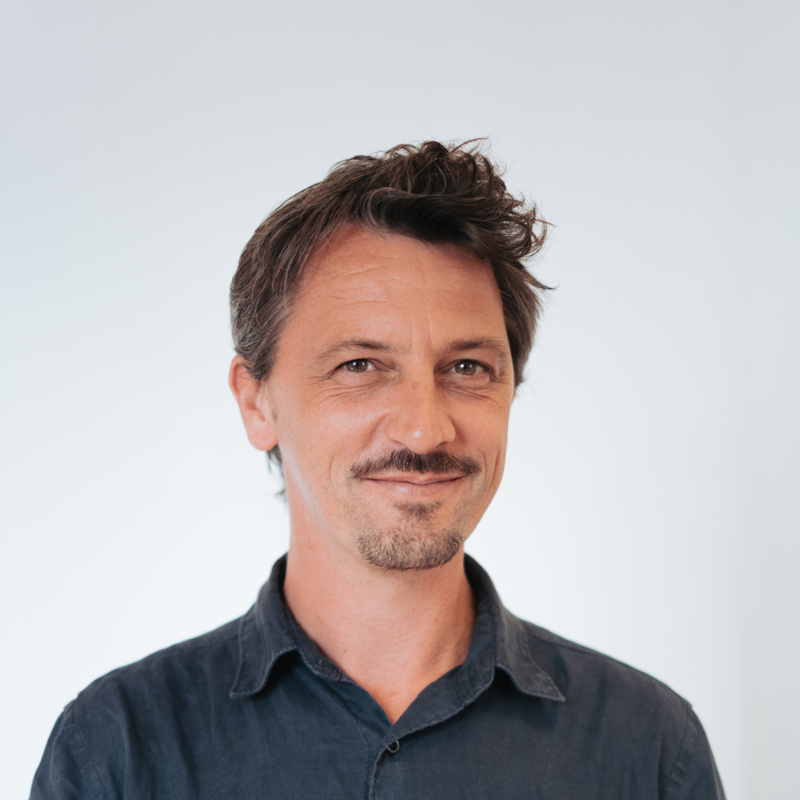
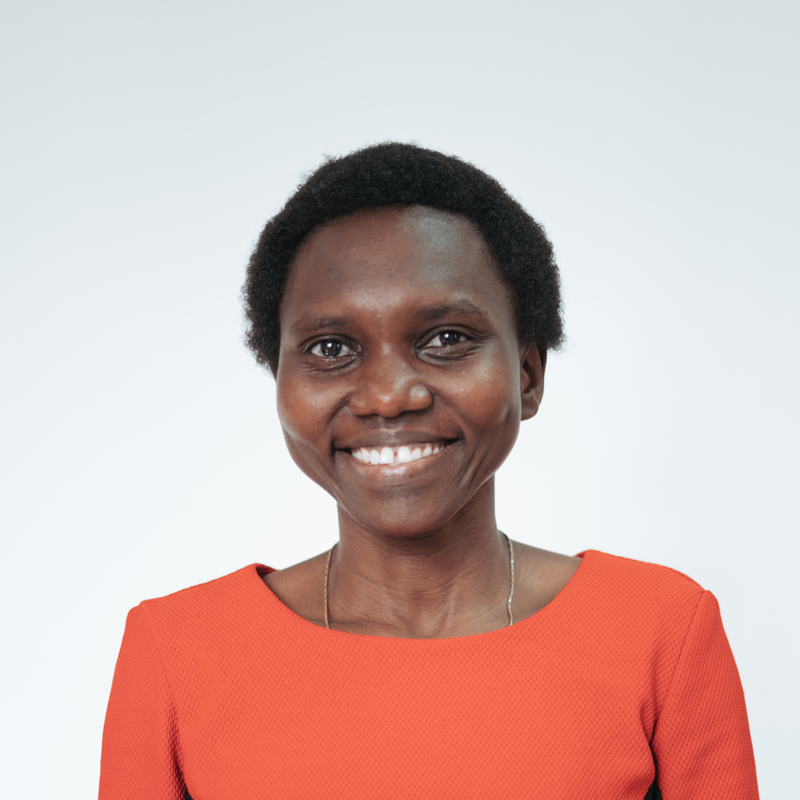
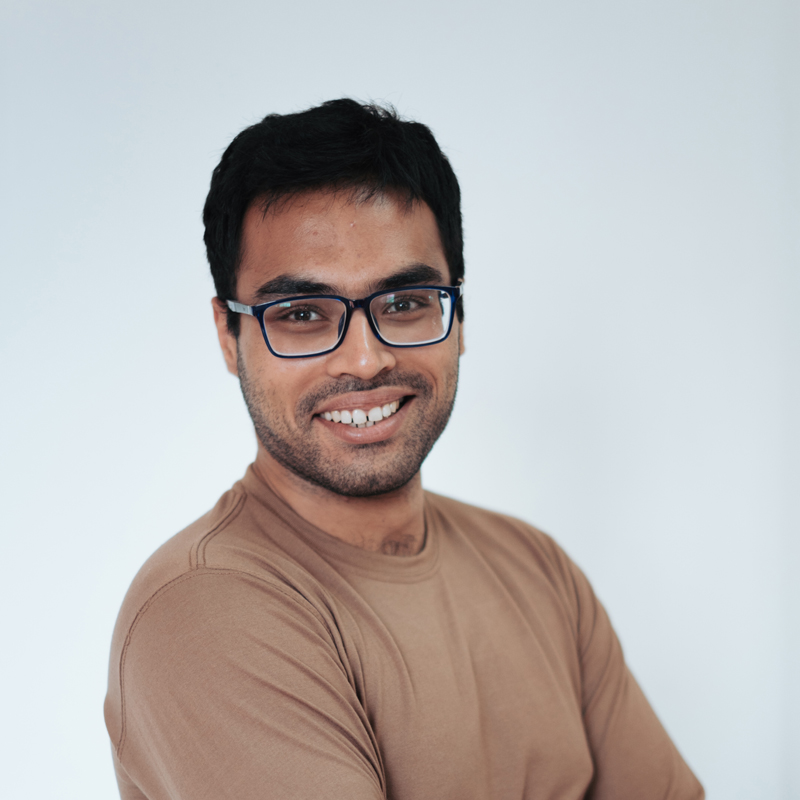
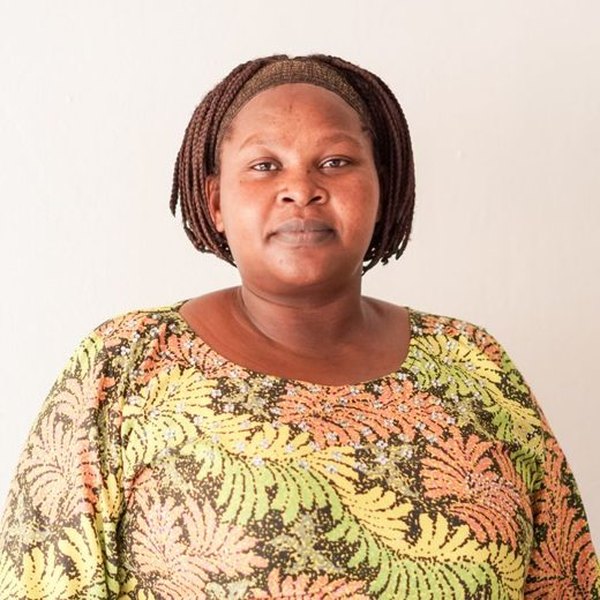
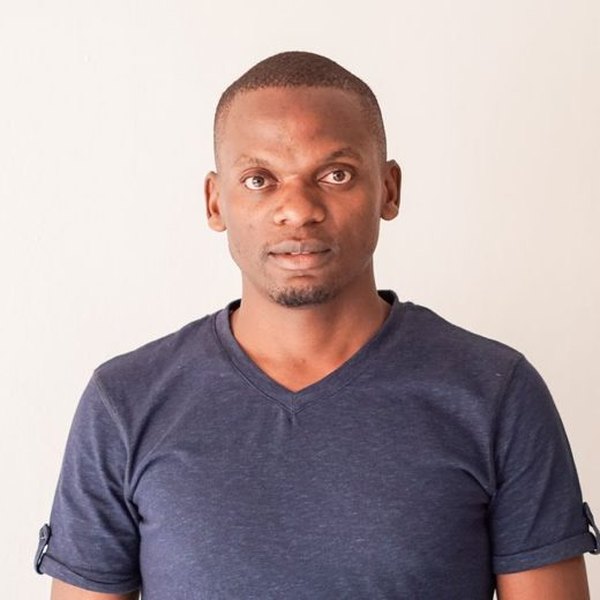
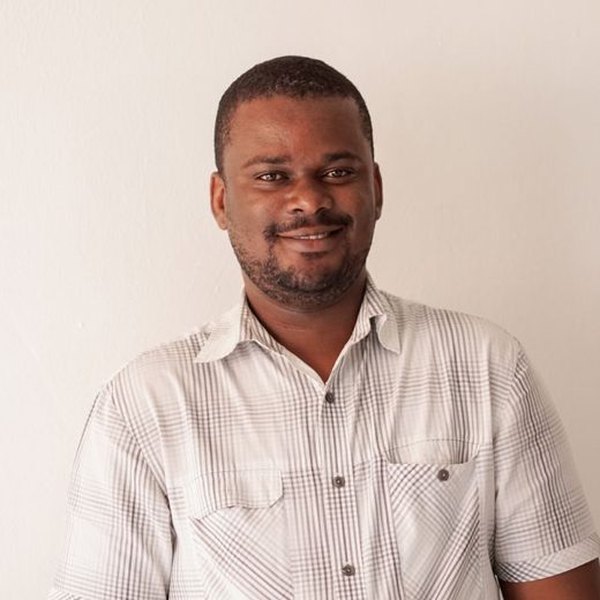
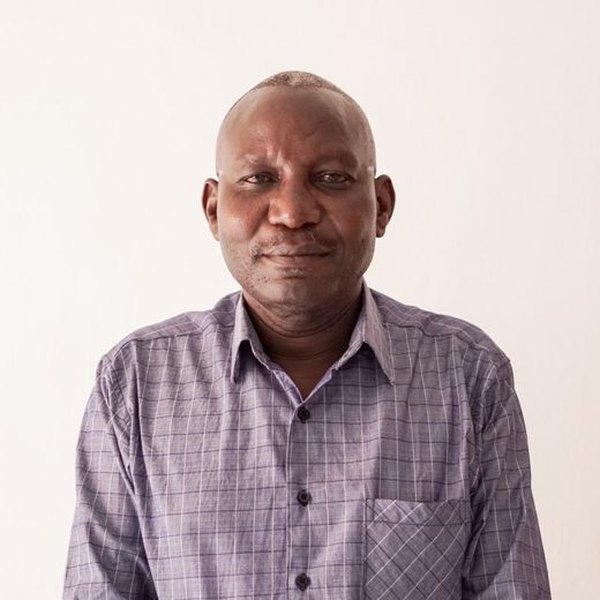
The Team
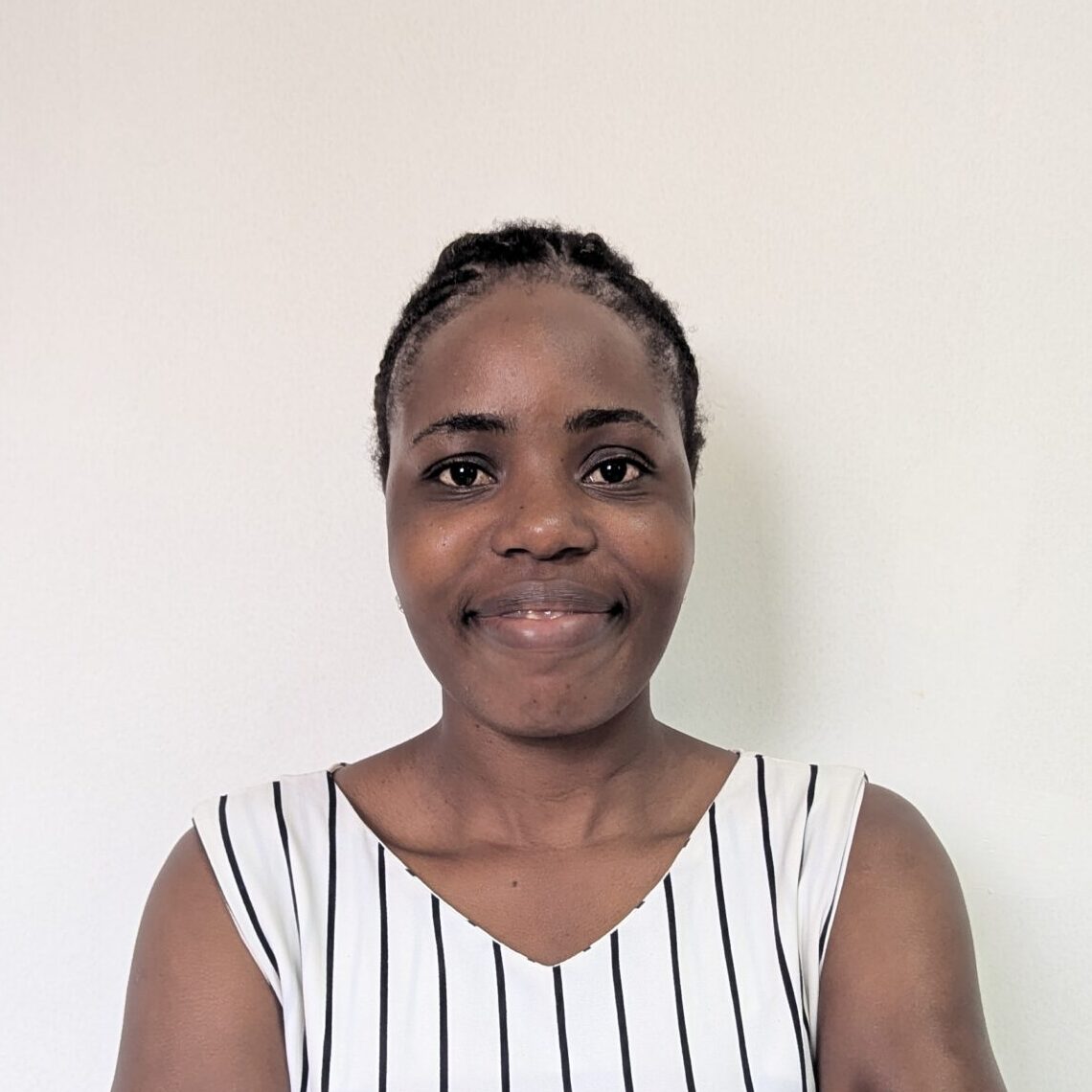
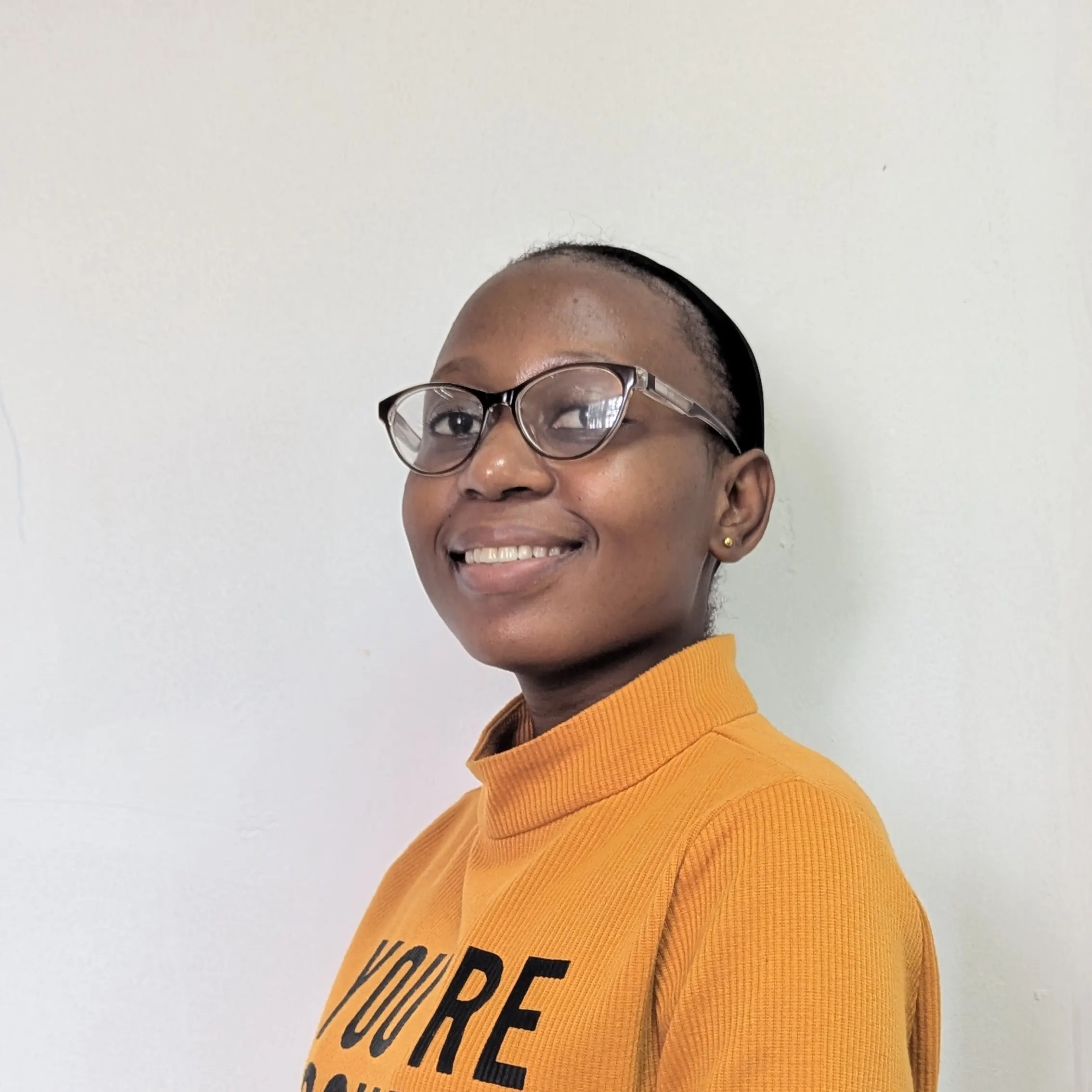
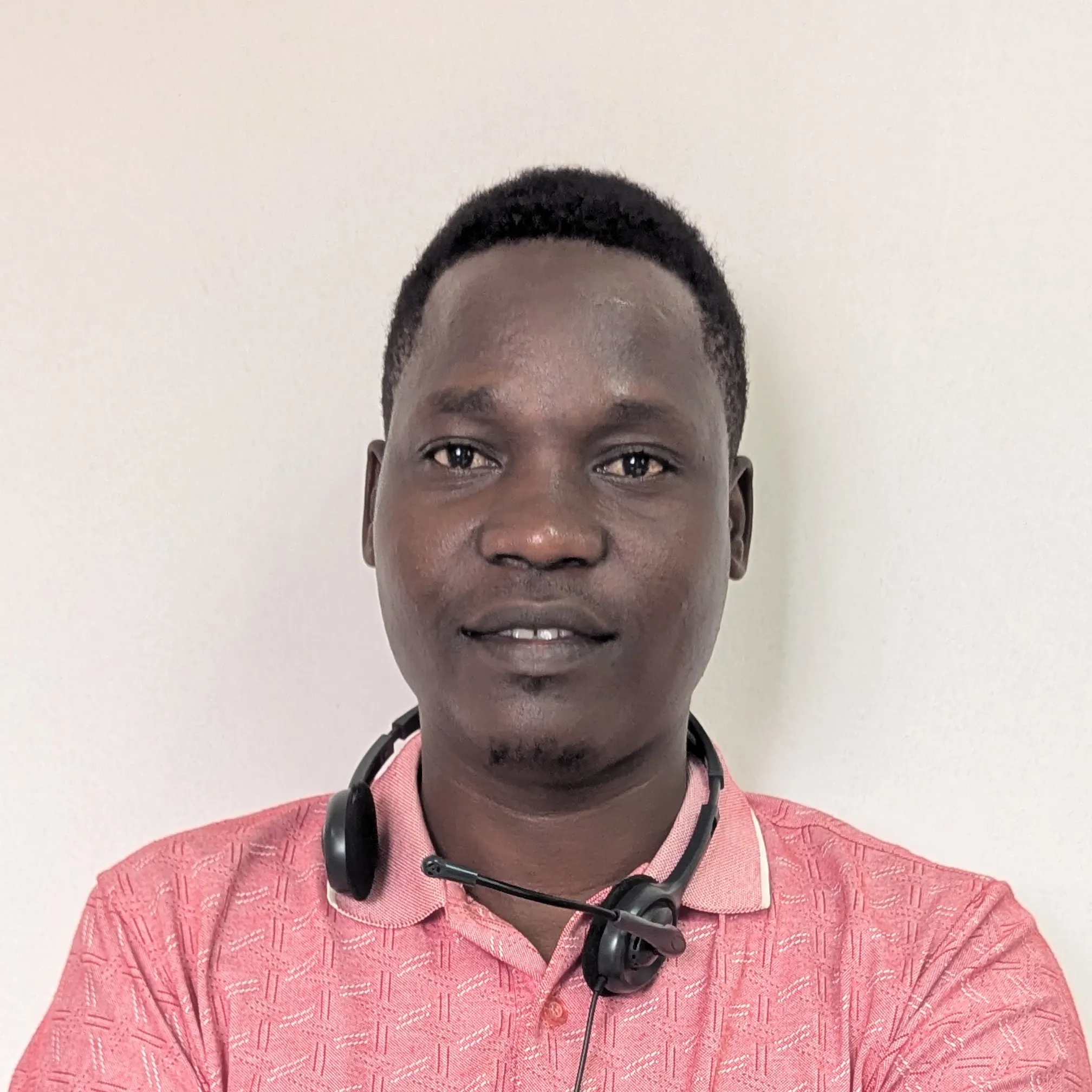
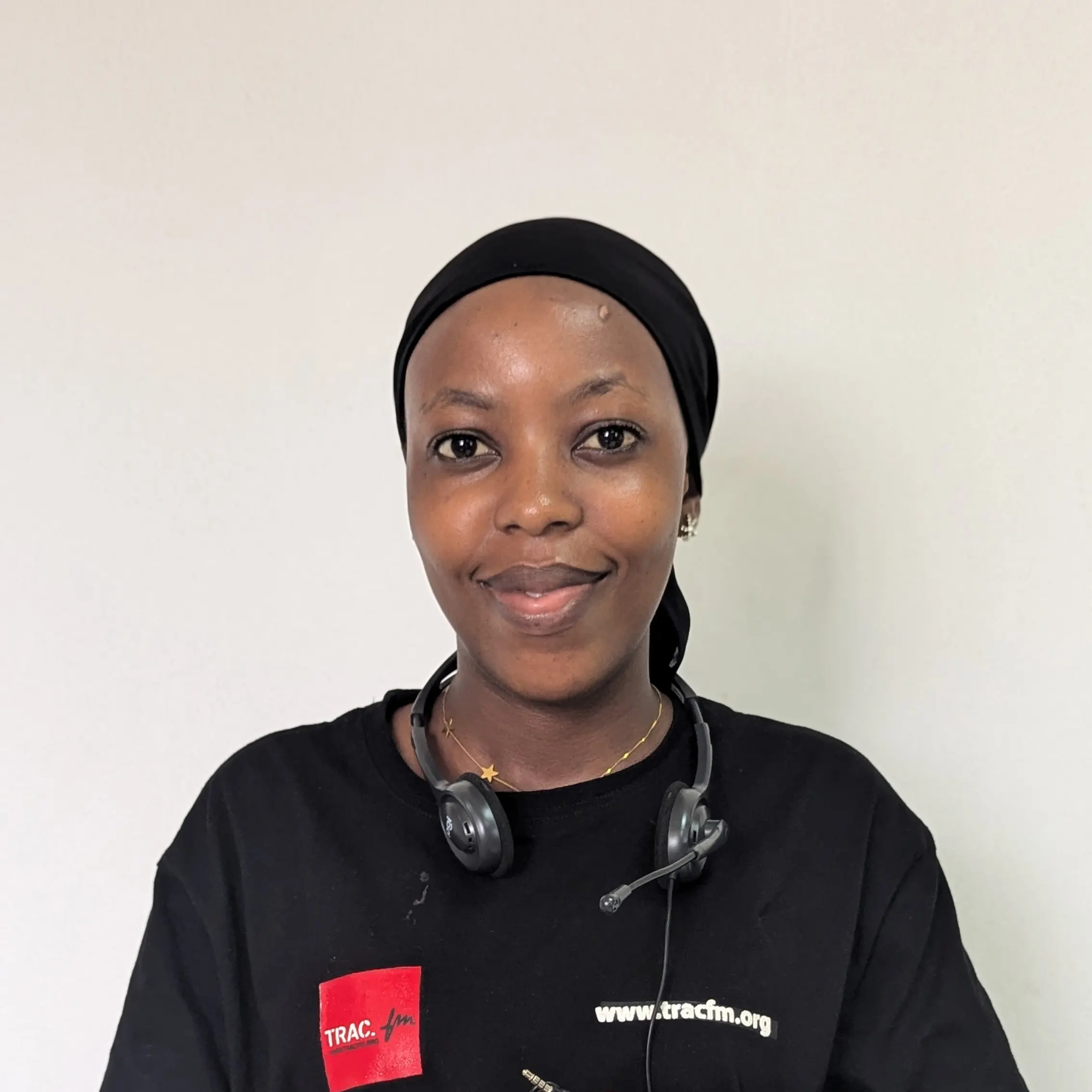
Get to know the team who bring vision, skill, and innovation to every campaign.
Eunice Gnay Namirembe
Wouter Dijkstra
Winnie Eficia
Mohazzab Abdullah
Amanyire Innocent
Docus Kusiima
Katushabe Bonitah
Paul Ojuman
Favourite Tweheyo
Emillie Imenyo
Advisory Board
Our Advisory Board brings a wealth of experience and strategic insight to help us grow, innovate, and make a lasting impact.
Geert Lovink
Edward Sekyewa
Yayeri Adiko
Esther Weller
Michael Niyitegeka
Donors
Our work is made possible through the generous support of our donors.
Research partners
Working with trusted research partners, we ensure our insights are credible, impactful, and locally grounded.